Table of Contents
- – The Hidden Weight of Inherited Pain
- – Why Conventional Talk Treatment Often Falls Short
- – Somatic Therapy: Reconnecting Mind and Body
- – EMDR: Reprocessing Trauma at the Source
- – The Perfectionism-Burnout Cycle
- – Relationship Problems as Injury Reenactment
- – Finding Culturally-Informed Assistance
- – Beginning Your Recovery Trip
Intergenerational trauma doesn't reveal itself with fanfare. It reveals up in the perfectionism that keeps you working late right into the night, the burnout that feels difficult to shake, and the partnership disputes that mirror patterns you promised you 'd never ever duplicate. For numerous Asian-American households, these patterns run deep-- passed down not through words, yet via overlooked expectations, suppressed feelings, and survival techniques that once protected our forefathers however now constrict our lives.
The Hidden Weight of Inherited Pain
Intergenerational trauma refers to the emotional and emotional injuries transmitted from one generation to the next. When your grandparents made it through war, variation, or mistreatment, their bodies discovered to exist in a continuous state of hypervigilance. When your parents arrived and dealt with discrimination, their nerves adjusted to perpetual anxiety. These adaptations don't merely disappear-- they come to be encoded in household dynamics, parenting designs, and even our biological anxiety actions.
For Asian-American areas particularly, this trauma often shows up through the design minority myth, emotional reductions, and an overwhelming pressure to accomplish. You could find on your own not able to celebrate successes, continuously relocating the goalposts, or feeling that remainder equals idleness. These aren't personal failings-- they're survival systems that your nerves acquired.
Why Conventional Talk Treatment Often Falls Short
Many individuals spend years in standard talk treatment reviewing their childhood years, examining their patterns, and gaining intellectual insights without experiencing purposeful adjustment. This happens because intergenerational trauma isn't stored primarily in our ideas-- it resides in our bodies. Your muscles keep in mind the stress of never ever being rather sufficient. Your digestive system carries the anxiety of unmentioned family members assumptions. Your heart rate spikes when you expect disappointing a person important.
Cognitive understanding alone can not launch what's held in your nerves. You could know intellectually that you should have remainder, that your well worth isn't linked to performance, or that your moms and dads' objection came from their very own pain-- yet your body still responds with anxiety, pity, or fatigue.
Somatic Therapy: Reconnecting Mind and Body
Somatic therapy comes close to trauma with the body instead than bypassing it. This healing method identifies that your physical feelings, motions, and nerve system reactions hold important information about unsolved injury. As opposed to just speaking about what took place, somatic therapy helps you discover what's taking place inside your body now.
A somatic therapist could assist you to observe where you hold stress when talking about family assumptions. They might assist you explore the physical experience of anxiousness that arises in the past essential presentations. With body-based methods like breathwork, mild activity, or grounding exercises, you begin to control your nerve system in real-time instead than just understanding why it's dysregulated.
For Asian-American clients, somatic therapy offers certain advantages because it does not need you to verbally process experiences that your culture may have taught you to maintain personal. You can recover without needing to articulate every detail of your household's pain or immigration story. The body speaks its very own language, and somatic work honors that interaction.
EMDR: Reprocessing Trauma at the Source
Eye Movement Desensitization and Reprocessing (EMDR) represents an additional effective method to healing intergenerational injury. This evidence-based treatment uses bilateral stimulation-- usually guided eye motions-- to aid your mind reprocess traumatic memories and inherited anxiety responses. Unlike typical therapy that can take years to produce results, EMDR often creates significant shifts in fairly few sessions.

EMDR jobs by accessing the way trauma obtains "" stuck"" in your worried system. When you experienced or soaked up intergenerational discomfort, your mind's normal processing mechanisms were overwhelmed. These unrefined experiences remain to trigger present-day responses that feel disproportionate to present scenarios. Through EMDR, you can ultimately finish that handling, permitting your nerves to release what it's been holding.
Research reveals EMDR's effectiveness prolongs past individual trauma to inherited patterns. When you process your own experiences of objection, stress, or emotional overlook, you simultaneously start to untangle the generational strings that created those patterns. Numerous customers report that after EMDR, they can ultimately establish boundaries with member of the family without crippling regret, or they see their perfectionism softening without aware initiative.
The Perfectionism-Burnout Cycle
Perfectionism and exhaustion form a vicious circle especially prevalent among those bring intergenerational trauma. The perfectionism typically originates from a subconscious idea that flawlessness may lastly earn you the unconditional acceptance that really felt missing in your family of beginning. You function harder, achieve a lot more, and elevate the bar once more-- really hoping that the following success will quiet the inner guide saying you're inadequate.
But perfectionism is unsustainable deliberately. It leads undoubtedly to fatigue: that state of psychological exhaustion, cynicism, and reduced performance that no amount of holiday time appears to cure. The exhaustion after that activates embarassment about not having the ability to "" take care of"" every little thing, which gas extra perfectionism in an attempt to prove your worth. Round and round it goes.
Breaking this cycle calls for dealing with the trauma beneath-- the internalized messages regarding conditional love, the inherited hypervigilance, and the nerve system patterns that relate remainder with risk. Both somatic therapy and EMDR stand out at interrupting these deep patterns, allowing you to ultimately experience your integral merit without needing to make it.
Relationship Problems as Injury Reenactment
Intergenerational trauma does not remain included within your specific experience-- it undoubtedly turns up in your partnerships. You could find on your own drew in to partners who are mentally inaccessible (like a parent that couldn't reveal love), or you may end up being the pursuer, attempting desperately to get others to meet demands that were never satisfied in childhood.
These patterns aren't mindful options. Your worried system is trying to understand old injuries by recreating similar dynamics, wishing for a different result. Sadly, this typically indicates you finish up experiencing acquainted pain in your grown-up relationships: sensation undetected, fighting regarding who's appropriate instead of seeking understanding, or turning in between nervous accessory and emotional withdrawal.
Treatment that addresses intergenerational trauma assists you recognize these reenactments as they're happening. It gives you devices to develop different reactions. When you heal the initial injuries, you quit subconsciously looking for partners or developing dynamics that replay your family background. Your partnerships can become rooms of genuine link instead than injury rep.
Finding Culturally-Informed Assistance
Therapy for PerfectionismFor Asian-American people, dealing with therapists that recognize social context makes a substantial difference. A culturally-informed therapist identifies that your relationship with your moms and dads isn't simply "" tangled""-- it reflects cultural worths around filial holiness and family members cohesion. They recognize that your hesitation to express emotions does not indicate resistance to therapy, but mirrors cultural norms around psychological restriction and preserving one's honor.
Specialists specializing in Asian-American experiences can assist you browse the unique stress of recognizing your heritage while likewise healing from aspects of that heritage that cause discomfort. They comprehend the stress of being the "" successful"" child that raises the whole household, the complexity of intergenerational sacrifice, and the specific methods that bigotry and discrimination compound family members injury.
Beginning Your Recovery Trip
Recovering intergenerational injury isn't regarding criticizing your moms and dads or denying your social background. It's regarding lastly placing down problems that were never ever yours to lug in the initial place. It's about enabling your nerves to experience security, so perfectionism can soften and exhaustion can recover. It has to do with creating partnerships based upon authentic link instead of injury patterns.
Therapy for PerfectionismWhether via somatic treatment, EMDR, or an integrated approach, recovery is possible. The patterns that have run with your family members for generations can stop with you-- not with self-discipline or even more accomplishment, but with compassionate, body-based processing of what's been held for as well long. Your youngsters, if you have them, won't inherit the hypervigilance you lug. Your relationships can become sources of real nutrition. And you can finally experience remainder without sense of guilt.
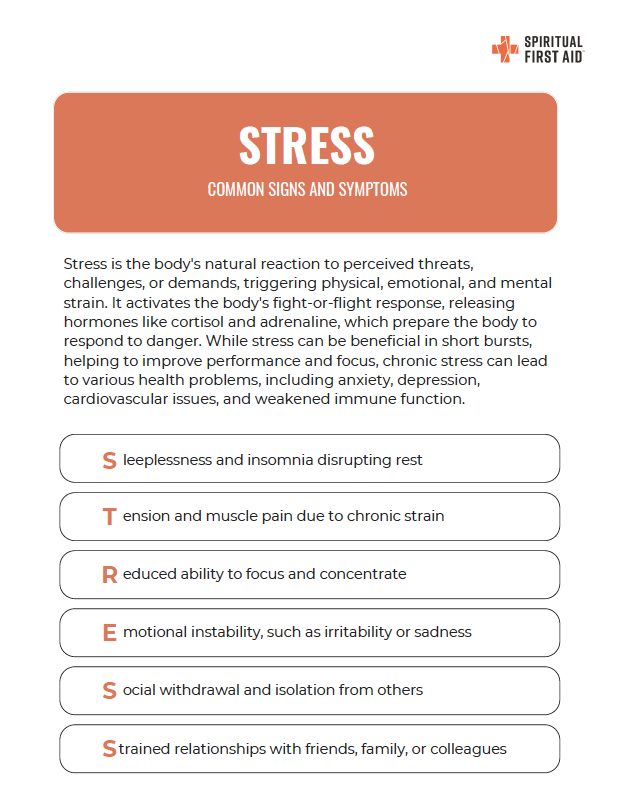
The job isn't very easy, and it isn't fast. It is possible, and it is extensive. Your body has been waiting on the possibility to lastly launch what it's held. All it requires is the best support to start.

Table of Contents
- – The Hidden Weight of Inherited Pain
- – Why Conventional Talk Treatment Often Falls Short
- – Somatic Therapy: Reconnecting Mind and Body
- – EMDR: Reprocessing Trauma at the Source
- – The Perfectionism-Burnout Cycle
- – Relationship Problems as Injury Reenactment
- – Finding Culturally-Informed Assistance
- – Beginning Your Recovery Trip
Latest Posts
Recognizing Intergenerational Injury: A Path to Healing Through Somatic Therapy and EMDR
Communication Skills Across Diverse Contexts
Managing Embodiment Challenges Through Trauma Healing in Lynnwood, WA
Navigation
Latest Posts
Recognizing Intergenerational Injury: A Path to Healing Through Somatic Therapy and EMDR
Communication Skills Across Diverse Contexts
Managing Embodiment Challenges Through Trauma Healing in Lynnwood, WA